
Quick Answer: For most Memphis homeowners, battery backup is better for short outages and essential circuits, while a generator is better for longer outages, higher electrical loads, and repeated storm-related power loss.
What Changed for 2026:
Updated for 2026 with current MLGW outage and generator guidance, Ready.gov’s latest outage-prep advice on batteries and alternative power sources, current CDC generator safety guidance, and the latest IRS residential clean energy credit information for battery storage.
When the power goes out in Memphis, most homeowners are not thinking about backup power in abstract terms. They are thinking about the fridge, the phones, the Wi-Fi, the garage door, maybe medical needs, and how long the house can stay functional before everything starts getting stressful.
This guide is here to help you make that choice the practical way: home battery backup vs generator, based on what your home actually needs, how Memphis outages tend to feel in real life, and what will be easiest and safest to live with after installation.
Key Takeaways
- For many Memphis homeowners, the real choice is not “battery or generator?” but what absolutely needs to stay on, for how long, and how often outages actually affect your house.
- Battery backup is quieter, cleaner, and easier to live with day to day, especially for shorter outages and essential circuits.
- Generators usually make more sense when you need longer runtime, higher loads, or backup for repeated storm-related outages.
- In Memphis, backup-power decisions should be made with MLGW outage realities, storm season, load priorities, and generator safety in mind, not just product marketing.
- If you are connecting backup power to home wiring, this is electrician territory. Safe load planning, transfer equipment, and code-compliant installation matter more than the product brochure.
Why is home battery backup vs generator a real decision for Memphis homeowners in 2026?
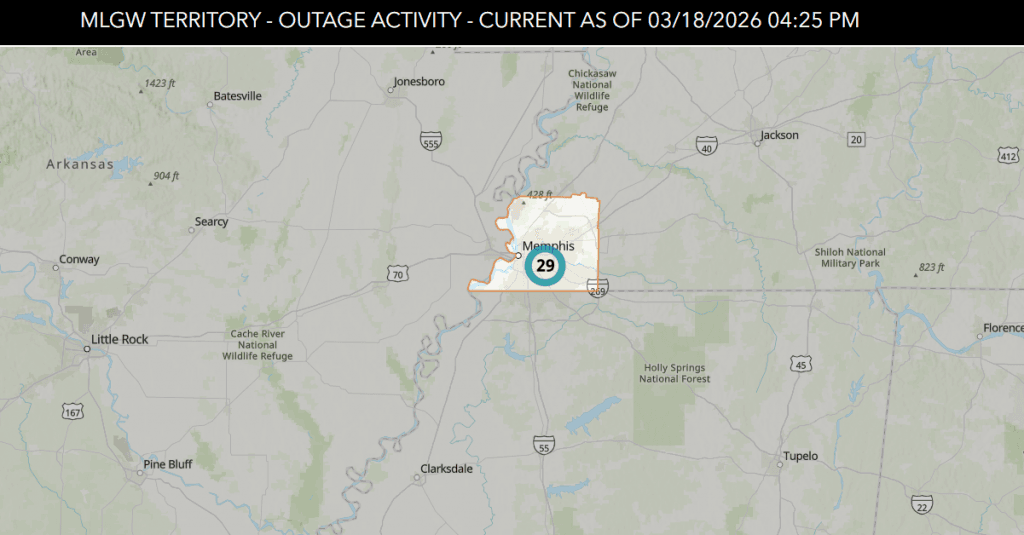
Memphis homeowners have a strong reason to compare backup power options right now because outage planning is still an active local concern, and MLGW continues to direct customers to its outage resources and generator-safety materials. At the same time, federal preparedness guidance now explicitly tells households to plan for batteries and other alternative power sources, which makes battery backup part of the mainstream conversation, not a niche add-on.
- MLGW maintains an outage center and storm/outage resources for local customers.
- Ready.gov says households should inventory what depends on electricity and plan for batteries and other backup power sources.
- CDC continues to warn that portable generators create carbon-monoxide risks if used incorrectly.
What is the difference between a home battery backup and a generator?
A home battery backup stores electricity and delivers it silently when the grid goes down, usually to selected circuits or key loads. A generator makes electricity on demand, usually using fuel, and is often the better fit when you need more runtime or heavier whole-home support.
- Battery backup usually means:
- quiet operation
- no fuel storage
- instant switchover
- limited runtime based on battery size and load
- Generator usually means:
- more runtime potential
- higher-output backup options
- more maintenance
- more safety rules, especially for portable units
Is a battery backup or generator better for Memphis outages?
For shorter outages or essential-load backup, battery systems are often easier to live with. For longer outages, storm clusters, or bigger household loads, generators usually have the edge because they can run longer and handle more demand if sized correctly.
That is why this should not be framed as a winner-takes-all comparison. A lot of Memphis homeowners do best when they first decide what absolutely has to stay on, then choose the backup type that matches that list.
- Battery backup usually fits better when you want to keep on:
- refrigerator
- internet
- lights
- phones/laptops
- small medical devices
- Generator usually fits better when you want to keep on:
- HVAC for longer stretches
- multiple kitchen loads
- sump or utility pumps
- larger parts of the house
- longer multi-day outage coverage
What backup power option is safer for a house?
Battery backup avoids the carbon-monoxide danger that comes with portable generators, which is a major safety advantage. Generators can still be used safely, but only when they are installed or operated correctly and never indoors, in garages, or near doors, windows, or vents.
CDC says carbon monoxide is odorless and colorless and can kill without warning. MLGW also tells customers that portable generators must be used in a well-ventilated, dry area and never indoors.
Safe-use basics for generators
- never run a portable generator inside the home or garage
- keep it away from openings
- let it cool before refueling
- use battery-powered CO alarms
- do not connect it to home wiring without approved transfer equipment and professional installation
When is battery backup the better choice than a generator?
Battery backup is usually the better choice when your top priorities are quiet operation, low maintenance, instant switchover, and coverage for selected essential loads rather than the whole house. It is especially appealing for homeowners who dislike fuel storage, noise, startup hassle, and regular engine maintenance.
Battery systems can be a smart fit if:
- your outages are usually short
- you mainly want to keep essentials running
- you work from home and care about seamless power for internet/devices
- you want less ongoing maintenance
- you already plan other electrification or solar-related upgrades
What does battery backup do well in real life?
It handles the “keep the house functional” category very well. That often includes Wi-Fi, lights, phones, laptops, refrigerator support, and selected outlets or circuits without the noise and fumes that make generators feel like an event.
| Battery backup strengths | Why homeowners like it |
| Quiet operation | No engine noise during outages |
| Instant switchover | Less interruption for internet and electronics |
| No gasoline storage | Cleaner daily ownership |
| Low routine maintenance | Easier long-term use |
| Pairs well with select loads | Good for essentials-first backup |
When is a generator the better choice than battery backup?
A generator is often the better choice when your outages last longer, your must-run loads are heavier, or you want broader home coverage without carefully rationing every watt. For storm-prone households that want more endurance than convenience, generators often make more practical sense.
A generator may be the better fit if:
- you want longer runtime than a battery bank comfortably provides
- you need to support larger loads
- you want backup through repeated storms
- your household includes more people, more refrigeration, or more equipment
- you want a stronger “long outage” answer than an “essential loads only” answer
What does a generator do better than battery backup?
Its biggest advantage is endurance. If the outage drags on and the load list grows, generators usually remain the stronger option because they are built around sustained production rather than stored capacity.
| Generator strengths | Why homeowners choose it |
| Longer runtime potential | Better for multi-hour or multi-day outages |
| Higher load capability | Better for larger appliances and more circuits |
| Better storm endurance | Stronger for repeated outage events |
| Familiar backup option | Easier for many homeowners to understand conceptually |
How should Memphis homeowners choose between battery backup and generator?
Start with your must-run list, not the product category. If your real goal is “keep the fridge, internet, phones, a few lights, and maybe a small office running,” battery backup may be enough; if your goal is “make the house work normally through a serious outage,” generator planning usually moves to the front.
Decision framework: which backup power option fits your house?
Use this framework before you shop:
| Your situation | Better starting point | Why |
| Short outages, essential loads only | Battery backup | Quiet, simple, lower-maintenance |
| Work-from-home household | Battery backup or hybrid plan | Clean switchover for internet and devices |
| Long storm outages | Generator | Better runtime and endurance |
| Need broader house coverage | Generator | Better for larger load support |
| Hate fuel/noise/maintenance | Battery backup | Easier ownership experience |
| Want maximum resilience | Electrician-designed solution | Could involve generator, battery, or both |
What questions should you answer first?
- What absolutely must stay on?
- How long do your worst outages usually feel?
- Do you need comfort backup or survival backup?
- How much noise, refueling, and maintenance are you willing to deal with?
- Do you want essential-circuit backup or near-normal house function?
What loads should you plan to back up first?
Most homeowners overshoot here. The smartest plan is to protect the few loads that prevent the most stress, spoilage, and disruption, then build up from there.
Start with:
- refrigerator/freezer
- internet/router/modem
- phone/laptop charging
- basic lighting
- garage door access
- medical devices or refrigerated medicines if applicable
Then consider:
- HVAC blower or selected comfort loads
- office equipment
- security system
- kitchen essentials
Do you need an electrician for backup power planning?
Yes, if you are going beyond plug-and-play battery boxes or basic temporary use. The moment you are talking about panel integration, essential circuits, transfer equipment, surge protection, load calculations, or a generator that connects to the house, you need a qualified electrician.
That matters even more in Memphis because homeowners often buy for storm anxiety first and installation clarity second. A memphis backup power electrician should help you answer:
- which circuits matter most
- whether the panel can support the setup
- whether a transfer switch or other equipment is needed
- how to avoid overload and unsafe workarounds
- whether your outage pattern justifies battery, generator, or a staged plan
Can a battery backup qualify for a federal tax credit in 2026?
Battery storage technology still appears on the current IRS Residential Clean Energy Credit page as qualifying property, but homeowners should verify current eligibility details before purchase and tax filing. The IRS page currently says that if you invest in qualifying home energy property including battery storage technology, you may qualify for the credit.
Practical takeaway:
- treat tax-credit eligibility as a bonus, not the only reason to buy
- verify capacity, installation, and filing rules before relying on the credit
- keep documentation from purchase through installation and tax prep
What are homeowners saying on Reddit about backup power choices?
The useful Reddit pattern is not “buy this brand.” It is that homeowners and tech-heavy users often separate short clean backup from long outage backup. In one Reddit discussion about UPS use, people describe keeping networking gear, desktops, and core equipment on battery backup long enough to stay online briefly or shut down properly, which matches how many real households think about resilience in layers.
That is not official guidance, but it is a useful reality check:
- batteries are loved for seamless short-term continuity
- generators are valued for endurance
- many people do not actually need “whole house,” they need “the right things stay on”
What is the best approach for Memphis homeowners in 2026?
The best approach is usually not to chase the biggest system. It is to build the right system around your actual outage pain: what you lose first, what creates the most stress, and what level of interruption your household can realistically tolerate.
A strong practical path looks like this:
- List must-run loads.
- Separate “essential” from “nice to have.”
- Review recent outage frustration honestly.
- Decide whether your problem is short interruption or long outage endurance.
- Bring in an electrician before committing to a wired solution.
- Add surge protection and safe load planning as part of the project.
Final takeaway
For most homeowners, home battery backup vs generator is really a question about lifestyle, outage tolerance, and load priorities. If you want quiet, simple, low-maintenance backup for the essentials, battery storage is often the better fit. If you want stronger long-outage performance and broader household support during Memphis storm season, a generator usually wins. The smart move is not guessing, it is planning your loads honestly, using official safety guidance, and talking to a Memphis electrician before you buy.
Curated by Ace Electric,
Your trusted electricians in Tennessee.