
Knowing which electrical upgrades before selling a house in Memphis are worth doing is the difference between a clean closing and a contract that stalls in repair negotiations. Electrical deficiencies appear on more Memphis home inspection reports than almost any other category. Missing GFCI protection, outdated panels, ungrounded outlets, and unpermitted wiring work show up in pre-1980 homes consistently and become negotiation leverage in every transaction they touch. Some cost $150 to fix. Others cost $3,000. This guide covers what Memphis inspectors flag most, what each upgrade costs, and how to prioritize when time and budget are limited.
Key Takeaways
- Electrical deficiencies show up on Tennessee home inspection reports and become buyer negotiation leverage, proactively fixing them before listing is almost always cheaper than the credit a buyer demands
- The five most common electrical flags in Memphis pre-sale inspections are missing GFCI, outdated or undersized panels, ungrounded outlets, knob-and-tube or aluminum wiring, and unpermitted electrical work
- A 200-amp panel upgrade is the single highest-ROI electrical improvement before selling, it signals to buyers, lenders, and insurers that the home handles modern electrical loads
- Tennessee requires home inspectors to flag electrical deficiencies under the Tennessee Home Inspector Standards of Practice, these flags are in writing and go to the buyer’s lender
- Small fixes like GFCI installation ($100 to $200 per area) remove inspection flags entirely; larger fixes like panel upgrades should be evaluated against the likely buyer credit or price reduction they avoid
- Sellers are required to disclose known material defects in Tennessee, known electrical issues that are not repaired must be disclosed
Why Electrical Issues Appear on Memphis Home Inspections
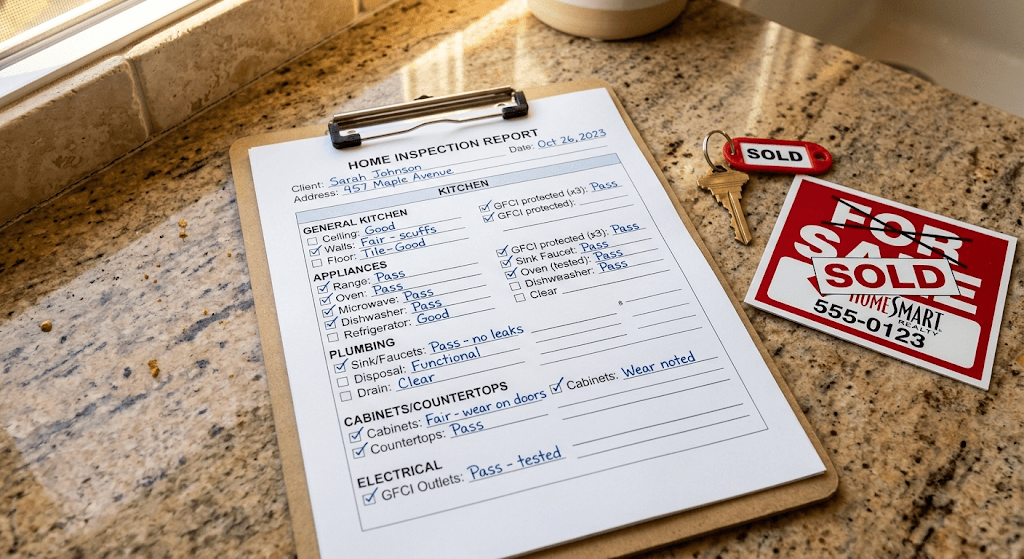
Tennessee home inspectors are required to document electrical deficiencies under the Tennessee Home Inspector Standards of Practice. These are not informal observations. They go into the inspection report as written deficiencies, and that report is shared with the buyer, the buyer’s agent, and, when financing is involved, the buyer’s lender.
Memphis has a large proportion of housing stock built between 1940 and 1985. Electrical code requirements have changed significantly since most of those homes were built. A home that passed its original inspection legally in 1965 is almost certainly flagged on a 2026 inspection report for multiple code items that did not exist as requirements at the time of construction.
This is not a failing, it is a gap between the code that applied when the home was built and the code that applies today. But buyers, their agents, and their lenders treat inspection flags the same way regardless of age. Every flagged item becomes a negotiation point.
The 6 Electrical Deficiencies Memphis Inspectors Flag Most
These appear across the broadest range of Memphis homes and show up repeatedly in pre-sale inspections.
Most Common Pre-Sale Electrical Flags in Memphis
| Deficiency | Homes Most Affected | Typical Cost to Fix | Worth Fixing Before Listing? |
|---|---|---|---|
| Missing GFCI protection | All pre-1990 homes | $100 – $300 per area | YES, low cost, high buyer impact |
| Outdated or undersized panel (100A, Federal Pacific, Zinsco) | Pre-1990 homes | $1,500 – $4,000 | YES, affects lender approval |
| Ungrounded two-prong outlets | Pre-1965 homes | $150 – $400 per room | YES or disclose, depends on scope |
| Knob-and-tube wiring | Pre-1940 homes | $8,000 – $15,000+ | DISCLOSE, cost usually exceeds fix value |
| Aluminum branch wiring (1965–1973) | Memphis homes built in that window | $200 – $600 COPALUM fix; $4–$6/sq ft rewire | Evaluate, insurance implications |
| Unpermitted electrical work | Any age if DIY-modified | Varies widely | YES, permit and inspect if possible |
GFCI: The Lowest-Cost Fix With the Highest Return
Missing GFCI protection is the most frequently flagged electrical item in Memphis pre-sale inspections and among the cheapest to correct. Every location that requires GFCI protection, bathrooms, kitchens, garages, outdoor outlets, basements, shows up as a deficiency if it is missing.
At $100 to $200 per location including a licensed electrician’s labor, correcting GFCI deficiencies before listing removes multiple inspection flags for a total investment that rarely exceeds $500 to $700 across the entire home.
What makes this upgrade worth doing before listing rather than after:
- Buyers negotiate credits based on the total count of inspection flags, not just the individual item cost, removing 6 flags for $600 prevents a $1,500 credit demand for “deferred maintenance”
- Lenders on FHA and VA loans sometimes require GFCI correction before closing, discovering this mid-contract creates closing delays
- GFCI correction is a permitted fix in Memphis but resolves quickly, typically in a single electrician visit
For a full breakdown of what GFCI installation involves and costs in Memphis, see Ace Electric’s guide on GFCI outdoor outlet requirements and installation.
The Panel: The Inspection Flag That Affects Lender Approval
An outdated or undersized panel is the most financially significant electrical deficiency a Memphis seller can face. It affects the sale in three ways simultaneously: buyer negotiation, lender approval, and homeowner’s insurance.
Buyer negotiation. A 100-amp panel in a home where buyers plan to add EV chargers, upgrade to electric appliances, or install smart home systems is a hard sell. Buyers either negotiate the cost of a panel upgrade as a credit or walk away. A modern 200-amp panel removes that objection entirely.
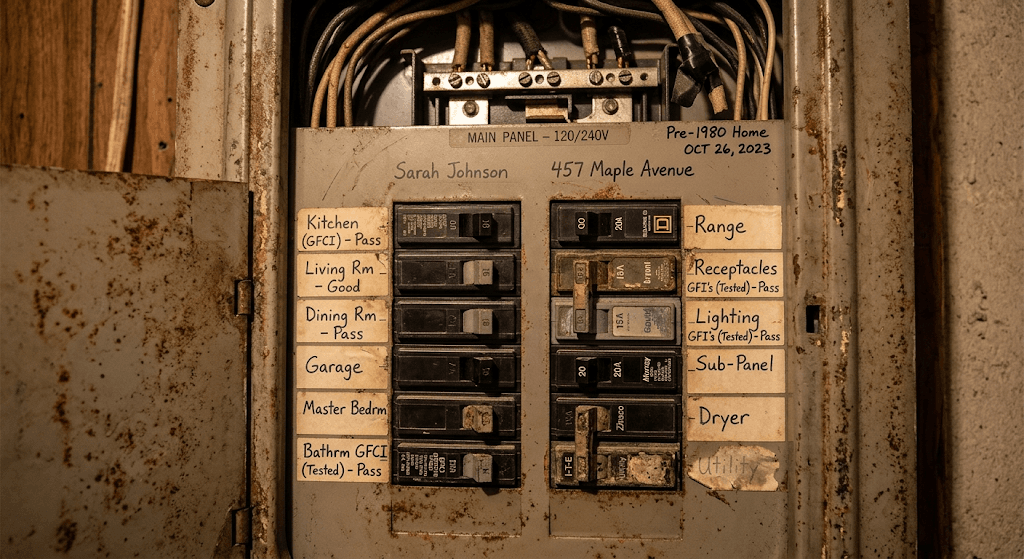
Lender requirements. FHA and VA loans have minimum property condition standards. Federal Pacific Stab-Lok panels and Zinsco panels have documented safety concerns that some underwriters require corrected before they will approve a loan on the property. A seller who does not know their panel type until after the inspection can find themselves mid-contract with a lender refusal.
Insurance implications. Federal Pacific and Zinsco panels are frequently flagged by insurance carriers during policy application reviews. A buyer who tries to insure a home with one of these panels may face higher premiums or an outright refusal, which in turn affects their ability to close.
A 200-amp panel upgrade in Memphis costs $1,500 to $4,000 depending on the existing service entrance condition and whether MLGW coordination is required. Sellers who complete the upgrade before listing avoid the inspection flag entirely and can market the home with a recently upgraded 200-amp panel, a visible selling point.
For detailed cost information on what a panel upgrade involves in Memphis, see Ace Electric’s full breakdown of electrical panel upgrade cost in Memphis.
Ungrounded Outlets: Fix, Upgrade, or Disclose?
Two-prong ungrounded outlets are common in Memphis homes built before 1965. They are flagged on every inspection report that identifies them and concern buyers for two reasons: electronics and appliances that require a ground connection, and the inability to use surge protectors effectively.
There are three approaches, and the right one depends on the scope of the problem:
Ungrounded Outlet Options: Cost and Trade-offs
| Approach | What It Does | Cost Range | Best For |
|---|---|---|---|
| Replace with GFCI outlets | Provides shock protection; must be labeled “No Equipment Ground” | $100 – $200 per area | Limited budget; addresses buyer concern partially |
| Add grounding conductor | Runs ground wire to outlets, the correct fix | $50 – $100 per outlet | Small number of affected outlets |
| Full rewire of affected circuits | Permanent solution for heavily affected homes | $1,500 – $4,000 per floor | Pre-1960 homes where most outlets are ungrounded |
| Disclose and price accordingly | No fix; documented disclosure | $0 | Homes where rewire cost exceeds benefit |
A Memphis home where only a few outlets are ungrounded, typically a 1958 house where the kitchen was updated but two bedrooms were not, is a reasonable fix. A home where every outlet is two-prong and the wiring is original throughout warrants the disclosure and pricing approach instead.
Knob-and-Tube and Aluminum Wiring: The Harder Conversations
These two wiring types appear in specific Memphis home eras and carry the most complex pre-sale implications.
Knob-and-tube wiring appears in Memphis homes built before approximately 1940. It is not automatically a code violation, but it creates three problems for sellers: insurance companies frequently decline to insure homes with active knob-and-tube, lenders sometimes require it remediated before loan approval, and buyers are trained by their agents to see it as a significant concern. Full remediation means rewiring the affected circuits, typically $8,000 to $15,000 or more for a full home.
Most sellers with active knob-and-tube wiring in Memphis choose disclosure and pricing adjustment rather than remediation. The cost of rewiring a full home rarely delivers a dollar-for-dollar return in sale price. Disclosing it, pricing it in, and making it available for a buyer’s independent contractor assessment is the more practical path.
Aluminum branch wiring appears in Memphis homes built between 1965 and 1973. The U.S. Consumer Product Safety Commission has documented that homes with aluminum wiring are at significantly higher fire risk from connection failures. Insurance carriers flag it. Some buyers walk when they see it.
The COPALUM pigtail fix, approved by the CPSC as a permanent repair method, costs $1.50 to $2.50 per connection and addresses the hazard at each outlet location. A full home COPALUM remediation typically runs $1,500 to $3,500 depending on outlet count. This is often worth doing before listing because it converts a significant buyer objection into a documented, completed repair.
According to the National Association of Realtors, electrical system upgrades are consistently among the top home improvements that recoup their cost at resale, particularly when they address safety concerns that affect lender and insurance approval. National Association of Realtors
What Does a Pre-Sale Electrical Inspection Cost in Memphis?
Before deciding which upgrades to make, scheduling a licensed electrical inspection gives you a complete picture of what a buyer’s inspector will find.
A pre-listing electrical inspection in Memphis typically costs $150 to $350 depending on home size and panel complexity. That cost pays for:
- Full panel review including identification of panel brand and condition
- Walk-through of all accessible outlets, switches, and fixtures
- GFCI and AFCI compliance check by room
- Documentation of any knob-and-tube, aluminum wiring, or grounding issues
- Written report you can use to prioritize repairs before listing
The inspection report gives you control. You know the deficiencies before the buyer does. You can fix the cost-effective ones, disclose the others, and price the home accordingly, rather than learning about them in a buyer’s inspection report during contract negotiations.
Which Upgrades Are Worth Doing Before You List?
Not every electrical deficiency is worth fixing before listing. The calculation depends on cost, buyer impact, and whether the issue affects lender or insurance approval.
Pre-Sale Electrical Upgrade Priority Matrix
| Upgrade | Cost | Buyer Impact | Lender/Insurance Impact | Fix Before Listing? |
|---|---|---|---|---|
| GFCI installation | $100 – $700 total | High, removes multiple flags | Medium | YES |
| 200-amp panel upgrade | $1,500 – $4,000 | Very high, selling point | HIGH, affects FHA/VA/insurance | YES if budget allows |
| Federal Pacific / Zinsco replacement | $2,000 – $4,500 | Very high, lender issue | HIGH, may block loan | YES |
| COPALUM fix for aluminum wiring | $1,500 – $3,500 | High, safety concern | High, insurance flagged | YES, usually worthwhile |
| Grounding for ungrounded outlets | $150 – $400 per room | Medium | Low | Case by case |
| Knob-and-tube remediation | $8,000 – $15,000+ | Very high | High | Usually NO, disclose instead |
| Unpermitted work correction | Varies | High, may fail inspection | Medium | YES if feasible |
According to Bob Vila, electrical upgrades that address safety deficiencies return more in negotiation leverage than they cost in most residential markets, particularly panel upgrades and GFCI corrections. Bob Vila: Electrical Upgrades That Add Home Value
Tennessee Disclosure Requirements for Electrical Issues
Tennessee requires sellers to disclose known material defects that would affect a buyer’s decision to purchase. Electrical deficiencies that are known to the seller and not repaired must be disclosed on the Tennessee Residential Property Disclosure Form.
This matters practically in three ways:
- Sellers who know about a Federal Pacific panel, active knob-and-tube, or aluminum wiring and do not disclose it face potential post-closing liability if those issues cause damage or injury
- Buyers who receive a disclosure with documented electrical issues can negotiate based on known information, rather than discovering it in inspection and creating a more adversarial dynamic
- Disclosed deficiencies that have been professionally assessed carry less buyer anxiety than undisclosed deficiencies discovered mid-inspection
The clearest path for most Memphis sellers with significant electrical issues is: get the pre-listing inspection, fix the items that pencil out financially, disclose the ones that do not, and provide documentation of the professional assessment to buyers upfront.
FAQs Electrical Upgrades Before Selling a House
What electrical issues most commonly show up on Memphis home inspections?
The most frequent flags are missing GFCI protection in bathrooms, kitchens, garages, and outdoor areas; outdated or undersized electrical panels including Federal Pacific and Zinsco brands; ungrounded two-prong outlets in pre-1965 homes; knob-and-tube wiring in pre-1940 homes; aluminum branch wiring in homes built between 1965 and 1973; and unpermitted electrical work. Most Memphis pre-1980 homes carry at least two or three of these.
Do I have to fix electrical issues before selling a house in Memphis?
No, you are not required to fix them, but you are required to disclose known material defects in Tennessee. Unfixed deficiencies become buyer negotiation leverage during inspection. The practical question is whether fixing an item costs less than the credit a buyer is likely to demand. For GFCI and similar low-cost items, fixing almost always costs less. For knob-and-tube rewiring, disclosure and price adjustment is usually more practical.
Does a panel upgrade help sell a Memphis home faster?
Yes, in most cases. A modern 200-amp panel removes a buyer concern about electrical capacity, improves insurability, and satisfies FHA and VA lender requirements. Buyers who see a recently upgraded panel do not need to budget for it post-purchase. In a competitive Memphis market, a clean electrical panel is a verifiable selling point rather than a negotiation liability.
How much should I budget for pre-sale electrical upgrades in Memphis?
For most Memphis pre-1980 homes, a budget of $500 to $2,500 covers the cost-effective fixes: GFCI throughout the home, correction of any ungrounded outlets in high-visibility areas, and any straightforward permit issues. A panel upgrade, if needed, adds $1,500 to $4,000. Knob-and-tube or full rewiring is a separate, larger decision that is usually handled through disclosure rather than remediation.
Will a buyer’s lender require electrical repairs before closing in Memphis?
It depends on the loan type and the specific deficiency. FHA and VA loans have property condition requirements that can require electrical repairs before loan approval. Federal Pacific and Zinsco panels, active knob-and-tube wiring, and certain safety hazards are the most likely triggers. Conventional loans have fewer property condition requirements but buyers with good agents will still negotiate on significant electrical deficiencies.
How do I find out what electrical issues my Memphis home has before listing?
Schedule a pre-listing electrical inspection with a licensed Memphis electrician. The inspection costs $150 to $350 and gives you a written report of every deficiency a buyer’s inspector would find. Armed with that report, you can make informed decisions about which items to fix, which to disclose, and how to price the home, rather than learning about issues for the first time during a buyer’s inspection under contract.
Final Word
The electrician is not the last phone call a Memphis seller needs to make before listing. In homes built before 1980, it should be one of the first.
Knowing what is in the walls, whether it is a Federal Pacific panel that will stop an FHA loan, aluminum wiring that an insurance carrier will flag, or simply six missing GFCI outlets that will show up on every inspection report, gives a seller options. Fix the inexpensive items. Disclose the expensive ones. Price accordingly. That sequence produces better outcomes than discovering all of it for the first time in a buyer’s inspection report while a contract is in play.
If you are preparing to sell a Memphis home and want an electrical assessment before listing, Ace Electric provides pre-sale residential electrical inspections across Shelby County.
Curated by Ace Electric,
Your trusted electricians in Tennessee.